
COMPLIANCE HUB
October 2026 Mandate & Your Definitive Guide to Clinical Waste Compliance.
October 2026 Digital Mandate (DWTS)
This Compliance Hub eliminates the complexity of UK clinical waste compliance. Once you have explored the legal waste segregation requirements visit our Resources Centre to download workplace tools to save hours aligning your practice with the new national digital tracking standards.
What is the DWTS?: A breakdown of the UK government’s brand new Digital Waste Tracking Service, which legally mandates real-time digital logging of all hazardous or clinical waste movements. Understanding this system is essential for maintaining clinical waste compliance from October 2026 onwards.
The Death of Paper Logging: Traditional paper Waste Transfer Notes and legacy manual logs will be entirely phased out under the new clinical waste compliance framework. Any practice still relying on paper-based systems after the October 2026 deadline faces significant financial penalties.
Compliance Timeline & Fines: A direct reminder of the strict clinical waste compliance deadlines and the threat of severe financial penalties — up to £20,000 — for clinics attempting to operate without digitally registered waste carriers after the mandate takes effect.
AESTHETICS & BEAUTY CLINICS

- Cytotoxic Segregation
- Sharps Management
- Infectious vs. Offensive
- Licensing Logs
DENTAL PRACTICES
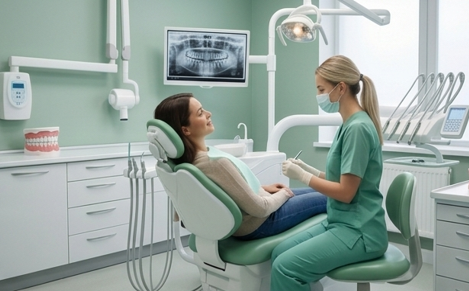
- Amalgam Capture
- Chemical Disposal
- CQC Readiness
- Pharmaceutical Control
PRIVATE MEDICAL & GP CLINICS
- Controlled Drugs
- Anatomical vs. Clinical
- Duty-of-Care Auditing
- Medicinal Sharps
TATTOO & PIERCING STUDIOS

- Waste Segregation
- Sharps Management
- Licensing & Compliance
- Waste Zoning Protocols
Explore the detailed regulatory guides below to ensure your practice remains fully compliant with the latest clinical waste management standards.
Aesthetics & Cosmetic Clinic Compliance
This section clarifies regulations for non-surgical cosmetic injectors, who often get caught out by healthcare rules.
- Cytotoxic & Cytostatic Medicine (Purple Lids/Bins): Under UK waste classification rules, any medicine that is toxic to cells or can alter genetic structures must be separated from general pharmaceutical waste. In an aesthetic setting, leftover residues or expired vials of Botulinum Toxin (Botox), chemical skin peels, and certain prescription-strength topical numbing creams fall strictly into this hazard class. These items—and the specific syringes used to inject them—must legally be placed into purple-lidded sharps bins or containers destined exclusively for high-temperature incineration.
- Sharps Management & Safety Rules: Aesthetic procedures rely heavily on single-use devices that pose a high risk of needle-stick injuries if discarded incorrectly. All dermal filler syringes, micro-needling cartridges, mesotherapy needles, and dermaplaning blades must be dropped immediately into safety-engineered sharps boxes. To remain legally compliant under HTM 07-01 guidelines, clinics must ensure these containers feature hand-entry restriction flaps, are kept securely locked away from public access, and are permanently sealed and collected once they reach the designated “fill line”.
- Infectious vs. Offensive Waste Segregation: One of the fastest ways aesthetic clinics overspend on their waste contracts is by dumping everything into expensive hazardous waste streams.
- Orange Bags (Infectious): Must be reserved solely for soft waste heavily contaminated with blood or infectious bodily fluids, such as used cotton swabs and gauze from a high-bleeding treatment zone.
- Tiger Stripe Sacks (Offensive): Standard salon waste like unused personal protective equipment (PPE), client couch rolls, non-contaminated gloves, face masks, and wax strips are legally classified as non-infectious, non-hazardous offensive waste. Segregating these into tiger stripe bags reduces collection costs because they do not require high-temperature incineration.
- Licensing Overviews & Insurance Protection: Local authorities across the UK are continuously tightening registration schemes and hygiene tracking for non-surgical cosmetic practitioners. To secure and maintain your local council treatment license—as well as your professional indemnity insurance coverage—your clinic must produce a verified, continuous audit trail of legal waste handling. Utilising fully licensed, digitally tracked commercial waste carriers ensures your practice satisfies Environmental Health officers during spontaneous site inspections.
Dental Clinic Compliance
- Amalgam Capture & Vapour Suppression: Under current UK environmental legislation, dental practices are strictly prohibited from letting dental amalgam enter the public sewage system. Practices must install and maintain an inline amalgam separator that achieves at least 95% efficiency. Furthermore, extracted teeth containing amalgam fillings, spent amalgam capsules, and chairside filter residue cannot go into standard clinical bags. They must be stored in specialized white-capped, vapour-suppressive containers containing mercury-absorbent chemical suppressants to prevent dangerous outgassing in storage areas.
- Specialist Chemical & Gypsum Disposal: Dental settings produce unique hazardous chemical waste streams that must never be mixed. Spent X-ray developer and fixer fluids must be segregated into color-coded chemical drums. Lead foils from traditional X-ray film packets must be kept clean and dry in a separate recycling stream. Additionally, dental study models made from gypsum cannot go to general landfill or clinical incineration; gypsum breaks down in mixed settings to create toxic hydrogen sulfide gas, legally mandating its disposal in a dedicated gypsum-only waste stream.
- CQC Inspection Readiness & 3-Year Note Retention: The Care Quality Commission (CQC) closely evaluates waste management under their “Safe” key line of enquiry. Practices must legally retain every hazardous waste Consignment Note for a minimum of 3 years. When an inspector audits your site, they will demand to see a clear, uninterrupted paper or digital trail matching the exact volume of waste your practice produced against what was signed off by your registered carrier. Missing documents or poorly categorized European Waste Catalogue (EWC) codes can lead directly to compliance failures.
- Pharmaceutical Control (Blue Lids): Out-of-date or partially used local anaesthetic cartridges, expired emergency drug kit medicines, and prescription items must be segregated from standard clinical waste. These items must be deposited into blue-lidded rigid containers intended strictly for denaturing and authorized pharmaceutical incineration, ensuring no prescription medicine accidentally ends up in standard alternative treatment facilities.
Medical & GP Clinic Compliance
- Controlled Drugs Management (DOOM Kits): Disposal of Controlled Drugs (CDs) faces the highest level of regulatory scrutiny from both the Home Office and the CQC. Legally, liquid or solid controlled drugs cannot simply be thrown into a waste bin. They must first be denatured using a specialized Controlled Drugs Destruction Kit (often called a DOOM kit). This chemical process renders the medication completely inert and unrecoverable. Once denatured, the container can be safely locked inside a designated yellow-lidded container for high-temperature incineration.
- Anatomical vs. Clinical Soft Waste Segregation: Under the UK’s cornerstone Health Technical Memorandum (HTM) 07-01 framework, clinical waste must be split based on its exact biological hazard.
- Red Lids (Anatomical Waste): Any recognizable human tissue, body parts, or placental waste generated during minor surgical procedures must be placed into a red-lidded, rigid container. This waste is legally restricted to high-temperature incineration only.
- Orange Bags (Infectious Soft Waste): Items like blood-soaked dressings, swabs, and disposable clinical aprons from non-surgical areas go into orange bags, which are safely treated via alternative thermal processing (autoclaving) at a lower cost.
- Duty-of-Care Auditing & Compliance Tracking: Practice managers are legally bound by a statutory “duty of care” to know exactly what happens to their waste after it leaves the clinic door. GPs must conduct or possess an annual comprehensive waste framework pre-acceptance audit. This log acts as a profile that proves your clinic has properly classified its waste streams, protecting your senior partners from severe environmental enforcement actions and substantial fines.
- Medicinal Sharps Management (Yellow Lids): Any sharps used to administer medicines—such as phlebotomy needles, vaccination syringes, and minor surgery scalpels—must go into yellow-lidded sharps bins. The yellow lid indicates to waste processing facilities that the container holds a combination of a sharp physical hazard and chemical/medicinal residue, which requires specialized handling compared to non-medicinal orange-lidded sharps boxes.
Tattoo & Piercing Studio
- Infectious Soft Waste Management (Orange Bags): Tattooing and piercing inherently break the dermis layer of the skin, meaning almost all process-waste comes into direct contact with blood and bodily fluids. Under environmental health definitions, any material contaminated with blood or ink-saliva mixtures—including used ink caps, single-use grips, ink-wiping paper towels, stencil wipes, and contaminated gloves—is classified as hazardous infectious clinical waste. All of these items must be placed into heavy-duty orange clinical bags, never into general black bin sacks or standard studio trash cans.
- Sharps & Razor Safety Protocols: Used tattoo needle groupings, piercing bars, tapers, and the disposable plastic razors used to prep a client’s skin are high-risk sharps. They present an immediate needle-stick and blood-borne pathogen transmission risk to both studio staff and waste handlers. These items must be dropped immediately into yellow, puncture-resistant sharps boxes right at the workstation. Studios must legally seal and replace these containers as soon as they fill to the printed limit line.
- Environmental Health & Studio Registration: To legally operate, tattoo and piercing studios must hold a valid registration with their local authority’s Environmental Health department. During routine or spontaneous studio hygiene inspections, officers will demand proof of a commercial waste contract and a complete book of Waste Transfer Notes or digital tracking receipts. Failing to produce a continuous, legal trail proving where your hazardous clinical waste went can result in the immediate suspension of your studio’s operating license.
- Cross-Contamination & Waste Zoning: Keeping a studio compliant requires clear physical zoning. General administrative waste, drink cans, and outer packaging must be kept entirely separate from the active clinical procedure zone. Mixing general studio trash into your orange bags needlessly inflates your commercial collection bills, while accidentally dropping a blood-contaminated paper towel into a standard office bin constitutes a severe breach of health and safety law.
Regional Waste Collection Quote
Receive a no obligation quote for fully compliant, professional waste collection. Simply complete the form below and our regional specialists will email you a collection and disposal price.